Why Is My Pool Cloudy After Winter in San Jose?
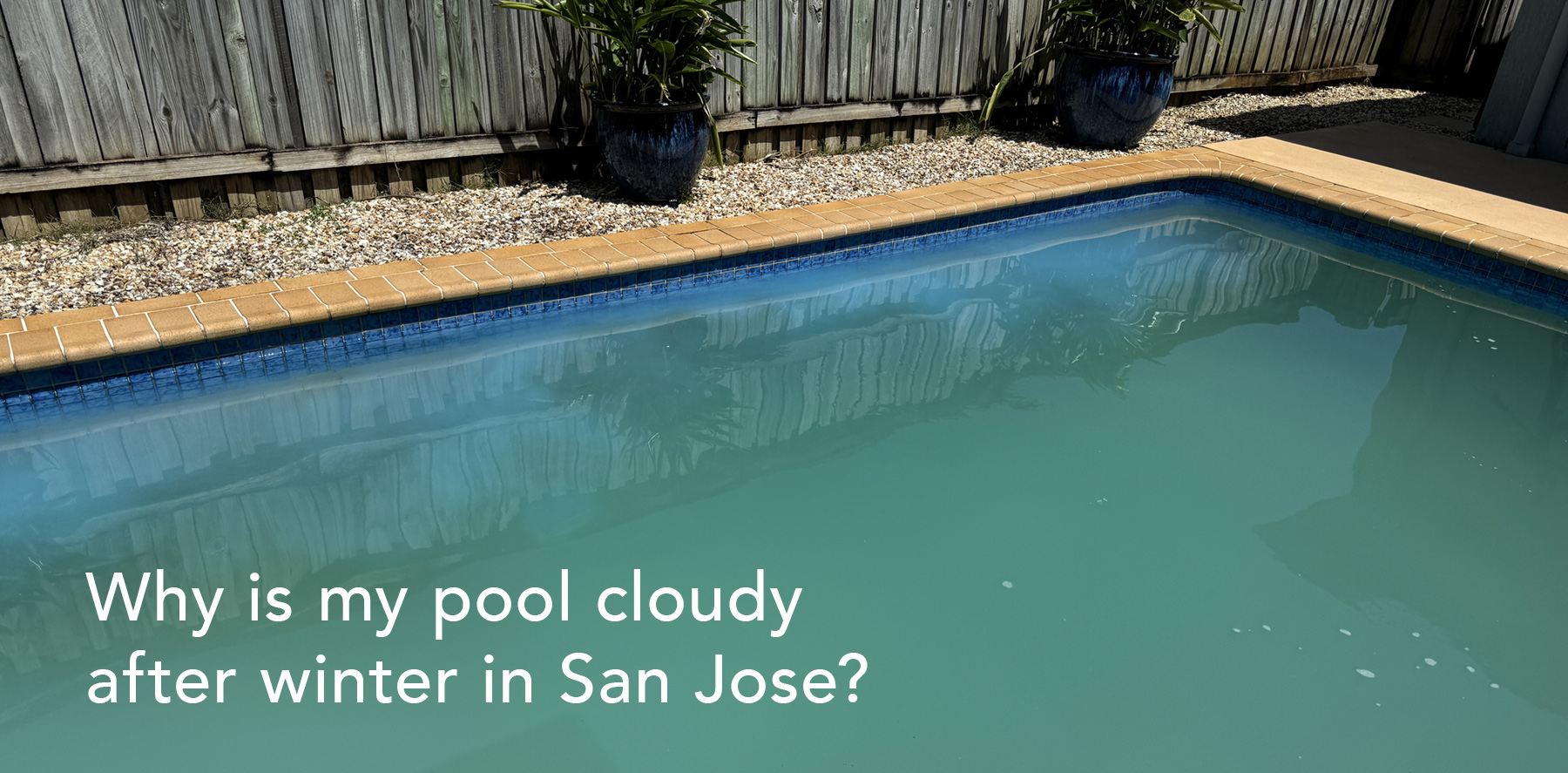
Why Your Pool Water Looks Cloudy After Winter
Many San Jose pool owners open their backyard in early spring only to notice their pool water looks dull, hazy, or cloudy.
This is very common in March, especially after a season of winter rain and storms. Even though pools in the Bay Area stay open year-round, winter conditions can quietly affect water chemistry and filtration.
In most cases, cloudy pool water after winter is caused by:
-
Low chlorine levels
-
pH drift during colder months
-
Debris buildup in filters
-
Early stages of algae growth
When these issues combine, the result is poor water clarity until chemistry and circulation are restored.
What’s Normal After Winter Storms in San Jose
After strong winter rain events, it’s normal for pools to temporarily lose some clarity.
Storms can introduce several changes to pool water:
-
Diluted chlorine levels from rainwater
-
Higher water levels that reduce skimming efficiency
-
Leaves, branches, and pollen entering the pool
-
Debris blocking skimmers or baskets
A pool may appear slightly dull or cloudy for a day or two after a storm. However, if cloudiness continues beyond that, the pool likely needs chemical balancing or filtration maintenance.
Signs Something May Be Wrong
If cloudy water persists, it may indicate a larger issue with your pool system.
Watch for these warning signs:
-
Chlorine tests consistently near zero
-
Water appears milky, gray, or hazy
-
Pool surfaces feel slippery
-
Debris collecting on the pool floor
-
Filter pressure rising above normal levels
These symptoms often occur after periods of heavy rain and wind, when pools collect organic material faster than filtration systems can remove it.
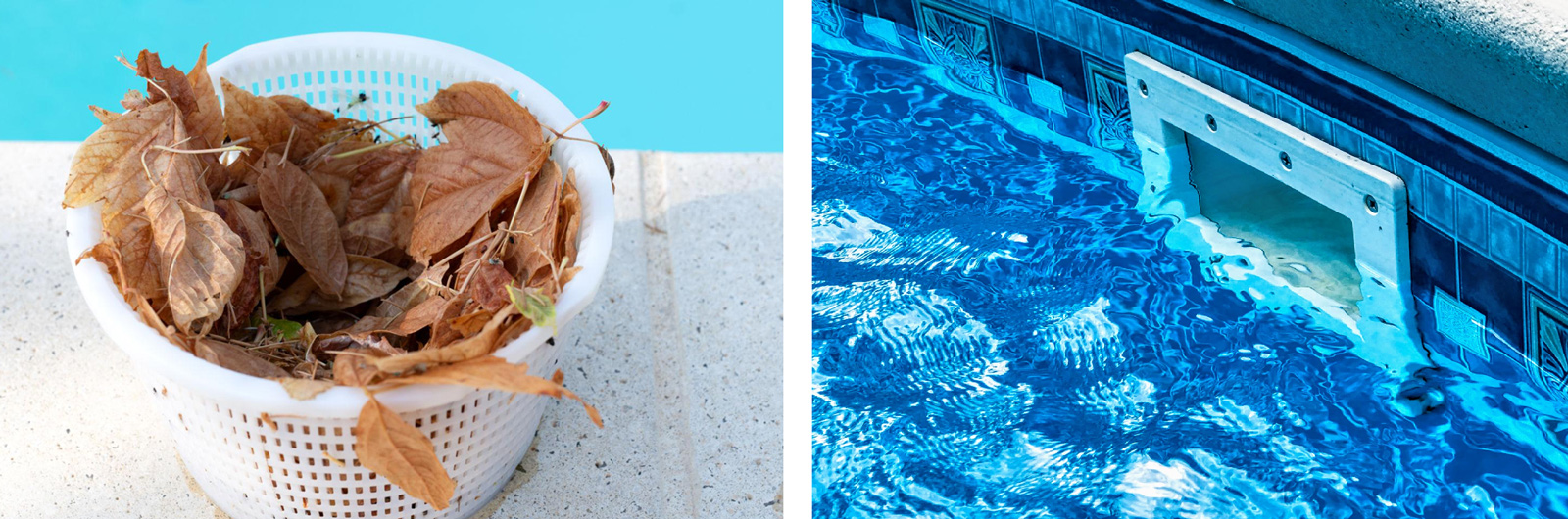
Why Winter Rain Causes Cloudy Pool Water
Rainwater changes your pool chemistry in several ways.
First, rain dilutes chlorine, reducing the sanitizer that keeps water clear. At the same time, organic debris like leaves, pollen, and dust increases chlorine demand as it breaks down.
Storms can also raise the pool water level above the skimmer opening. When that happens, surface debris bypasses filtration and remains suspended in the water.
Combined with shorter pump run times during winter, these particles circulate longer and create cloudy conditions.
How to Confirm the Cause
If your pool water looks cloudy, check these items in this order:
-
Test free chlorine levels
-
Test pH balance
-
Check filter pressure
-
Empty skimmer and pump baskets
-
Confirm the water level is mid-skimmer
If the pool is overfilled from rain, lowering the water slightly can restore proper skimming and improve filtration performance.
What to Do Next
Most cloudy pools in early spring clear up quickly after basic maintenance.
Start with these steps:
-
Restore chlorine to the proper range
-
Balance the pH if needed
-
Remove leaves and debris after storms
-
Clean or backwash the filter
-
Run the pump long enough to circulate the entire pool
With proper chemistry and circulation restored, water clarity usually improves within 24–48 hours.
When to Call a Pool Professional
If cloudiness continues despite balancing chemicals and cleaning the filter, the problem could involve:
-
Early algae growth
-
Filter media buildup
-
Circulation issues
-
Equipment inefficiency
Professional pool service can identify the underlying issue and restore water clarity quickly.
Clear Pools Start With Proper Maintenance
Winter may feel like downtime, but your pool water is still constantly changing. Regular maintenance during colder months helps prevent cloudy water, algae growth, and equipment stress before spring arrives.
If your pool in San Jose or Santa Clara County is looking cloudy after winter storms, PFS Pool Services can help restore balance and keep your pool clear all season long.